Unlocking the power of the pause
Mindful ADHD
Learn how to use mindfulness in ways that work with the ADHD brain.
- Learn how to apply mindfulness that supports the ADHD brain through the power of the pause.
- Many traditional mindfulness approaches do not naturally fit ADHD. Learn how to adapt traditional mindfulness in ways that feel accessible and sustainable.
- Explore mindfulness techniques designed to work with attentional variability, impulsivity and fluctuating energy, rather than against them.
- Develop practical tools that can be used personally or professionally, whether you are an adult with ADHD looking for more grounded ways to regulate, or a clinician supporting ADHD clients in your work.
- Learn to notice patterns in distraction, stress and reactivity with greater awareness and less judgement, creating more space for choice and self-understanding.
Designed and delivered by
In association with


Making mindfulness work for the ADHD brain
Mindfulness has clear evidence to support an improvement in ADHD symptoms. However, traditional approaches to mindfulness can feel particularly difficult for an ADHD brain. Sitting still, focusing on the breath, and trying not to let your mind wander can quickly become another thing you feel you’re doing “wrong”. Mindful ADHD takes a different approach.
Mindful ADHD is open both to adults with ADHD who want to explore mindfulness for themselves and clinicians and practitioners who support adults with ADHD.
Mindfulness adapted for ADHD
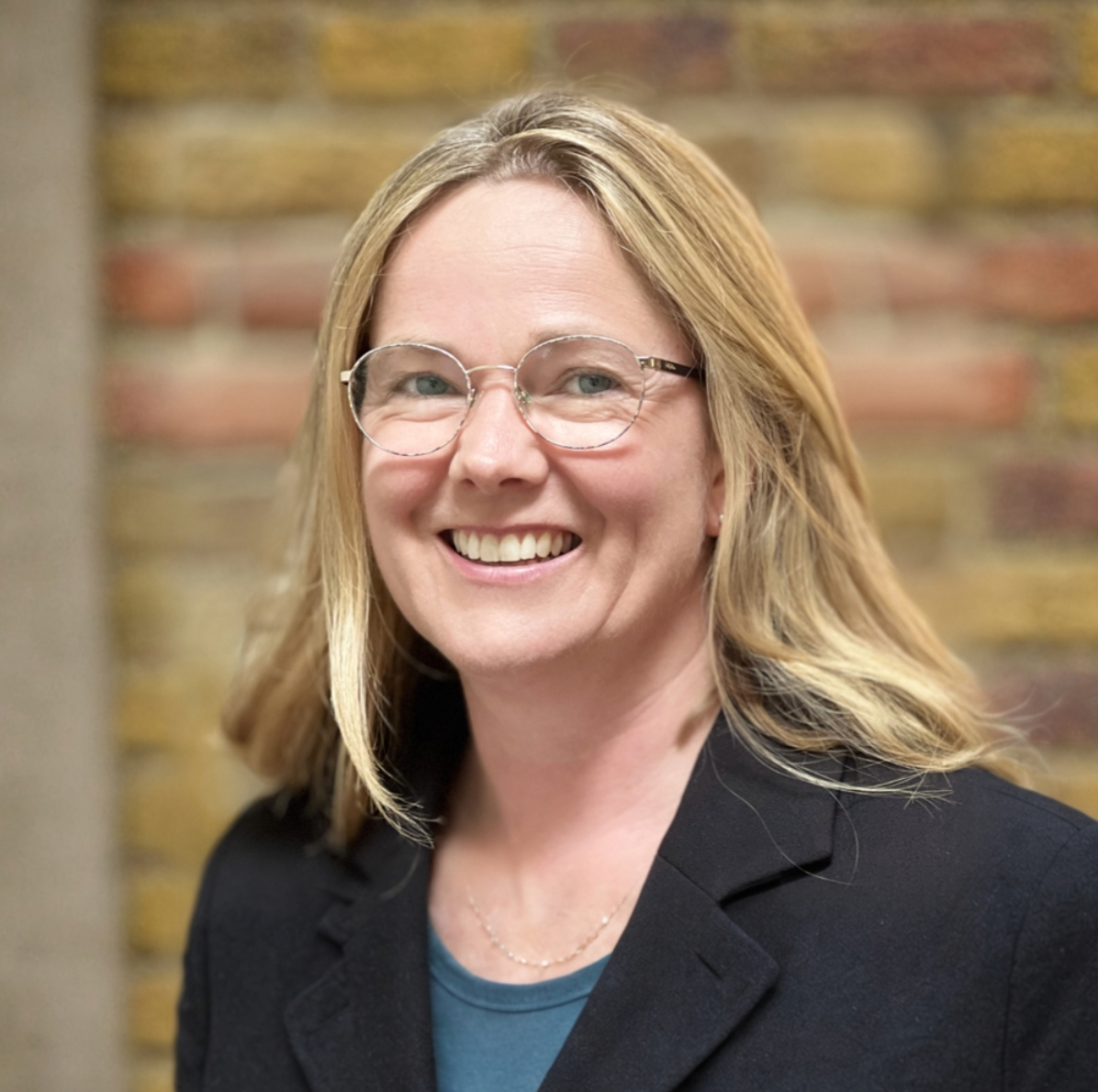
Led by experienced mindfulness practitioner Simon Barnes, this eight-week online course explores how mindfulness can be adapted to work with the ADHD brain rather than against it.
This is a highly experiential course. Rather than simply learning about mindfulness, we practise it together. In a small group of up to twelve, we meet weekly to experiment with different approaches, notice what happens, reflect on our experiences, and gradually build a toolkit of mindfulness practices that can be used in everyday life.
For adults with ADHD, the course provides an opportunity to discover practical ways of bringing attention back to the present, creating a little more space around thoughts and emotions, and responding more intentionally when things feel overwhelming.
For clinicians and practitioners, experiencing the practices first-hand alongside adults with ADHD provides an important foundation for introducing them to others. Throughout the course, there is space to consider how the approaches can be adapted and applied when working therapeutically with adults with ADHD.
Mindful ADHD has been designed and developed by Simon Barnes, an experienced mindfulness practitioner, in collaboration with Dr Judith Mohring. The curriculum is adapted from Dr Lidia Zylowska’s The Mindfulness Prescription for Adult ADHD and has been further developed for the realities of living and working with ADHD.
Course dates
Eight consecutive weekly sessions. Times are automatically shown in your local time zone.
What you’ll take from Mindful ADHD
Who is Mindful ADHD for?
The course is suitable for adults with ADHD, as well as therapists, coaches, psychiatrists, psychologists, occupational therapists, and other professionals supporting adults with ADHD. No previous experience of mindfulness is required.
Practical from the outset
No prior mindfulness training is required. Mindful ADHD is experiential and highly practical. The aim isn't to become “good at mindfulness”. It is to discover what mindfulness can look like for an ADHD brain and to develop practices that are realistic enough to actually use.